For all the years there's been software designers, there's been a dominant software design tool: Photoshop, Sketch, Figma. Increasingly though, designers are making their own highly specific (and disposable) design tools using AI coding agents. Let's call it "design by playground."
So what's a playground? If you've been a front end developer, a playground isn't a new concept. Effectively, you create a tool that allows you to manipulate variables and see their outcomes on an interface in real time. You can use a playground to see a bunch of variants at once (long text, short text, no text), play with options (big text, bold text, red text), and actually interact with designs.
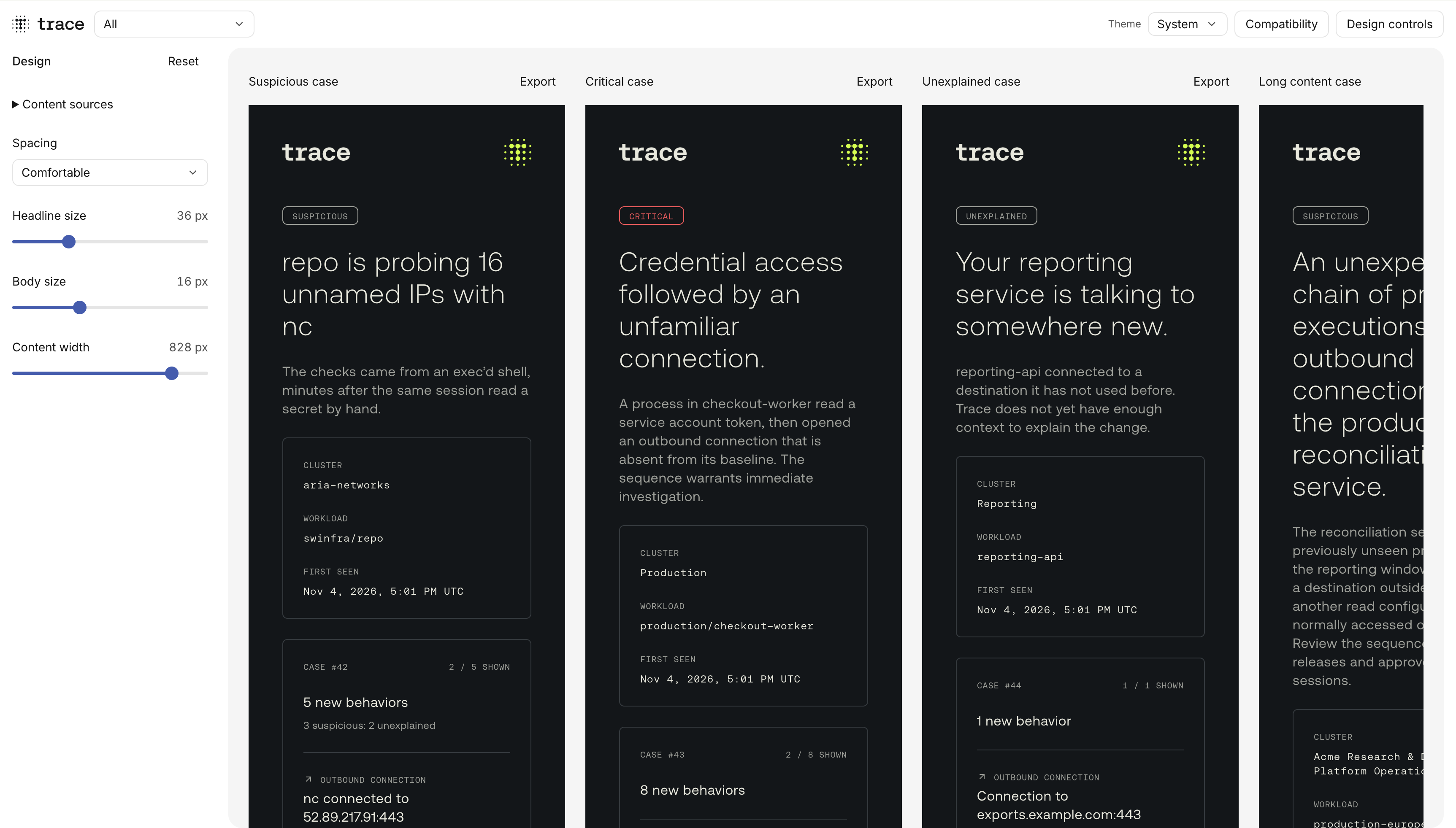
The advantages over static mockups are obvious, no matter how good you are at Figma. A playground can pull in real content and data, so long names, missing images, and other edge cases get thought about upfront instead of being flagged by developers later. Animation timing, transitions, and loading, empty, and error states all become controls you can adjust and test.
But if that's the case, why hasn't everyone been designing by playground all these years? Put simply, building playgrounds took more time than it was worth. Fidgeting with mockups was faster and easier than building a tool from scratch that you'd probably never use again.
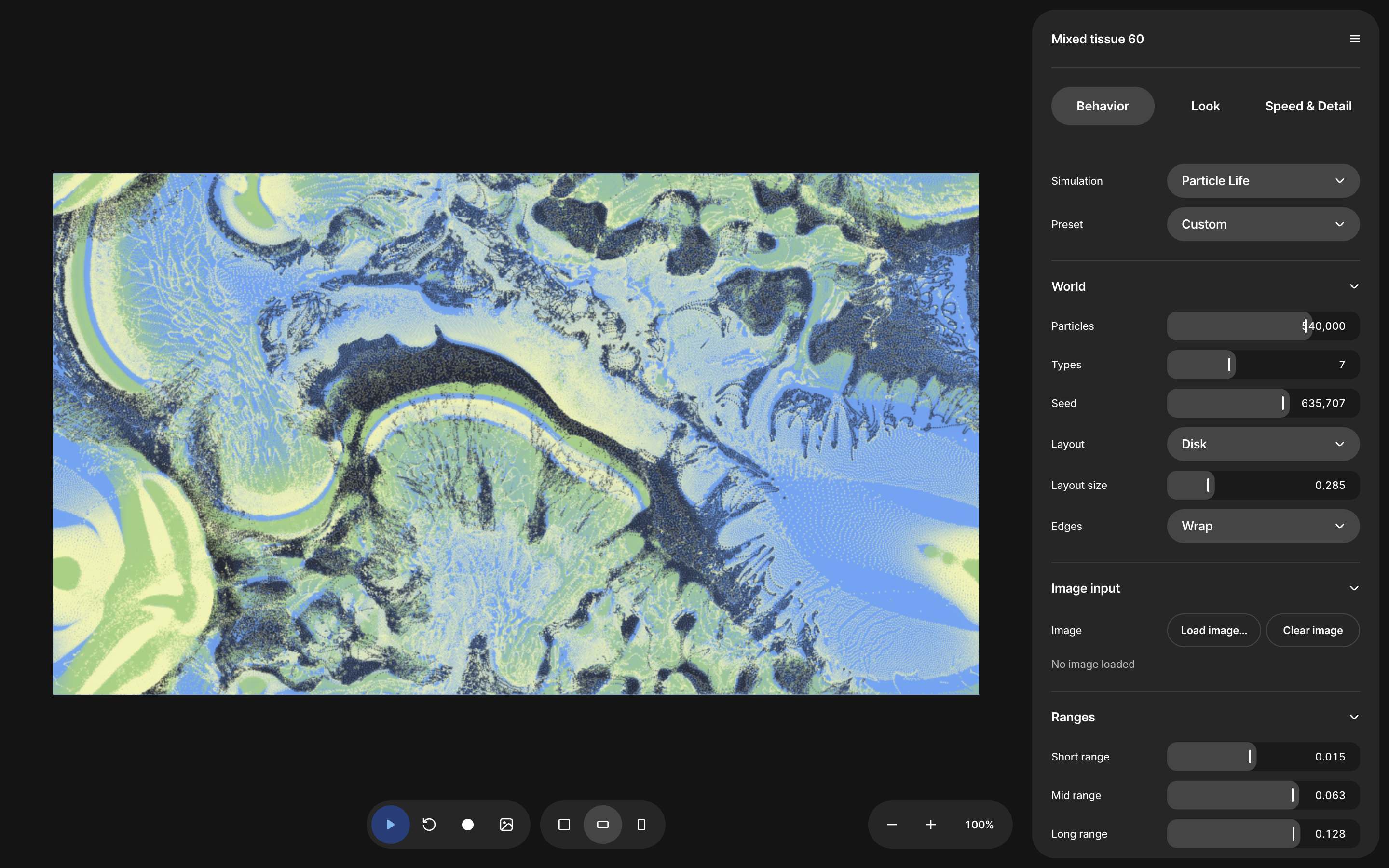
Of course, AI coding agents have changed that completely. A frontier model with a good harness can whip up playgrounds in minutes at minuscule cost. So there's no barrier to building a bespoke design tool whenever you need it. You can spin up a playground for a single design question or feature and toss it once you've got your answer.
And a highly specific tool often beats a generic one, especially when it runs in the same environment your software does: the Web, iOS, Windows, etc. That way you're looking at real font rendering, scrolling, touch and hover behavior, performance, and screen sizes, all things static mockups can only approximate. And the values you settle on in a playground can be exported directly as code or design tokens for engineers (or more likely, coding agents) to pick up.
Here's an example you can play with yourself... AI agents do a lot (reasoning, tool use, delegation, monitoring, etc.). How much of that work do you show people in your app's UI? I built a design playground to try out different designs, tweak details, and animate them to see what works best. Try it out.
Design tools used to be something you spent years learning. Now they can be something you make, use for an afternoon, and happily move on. They're called playgrounds for a reason.