After seeing lots of posts over the years arguing that design has become homogenized, I decided to pull together historical and modern designs for a few different product categories: TVs, phones, cars, etc. You don't have to squint to see the pattern... but why?
Do we eventually reach a final form? Does everything just trend toward average as mediocrity seeps in? Is it driven by what's possible or cost-effective in the supply chain? Or does everybody just copy everybody else? Here's the reasons I see people argue most often.
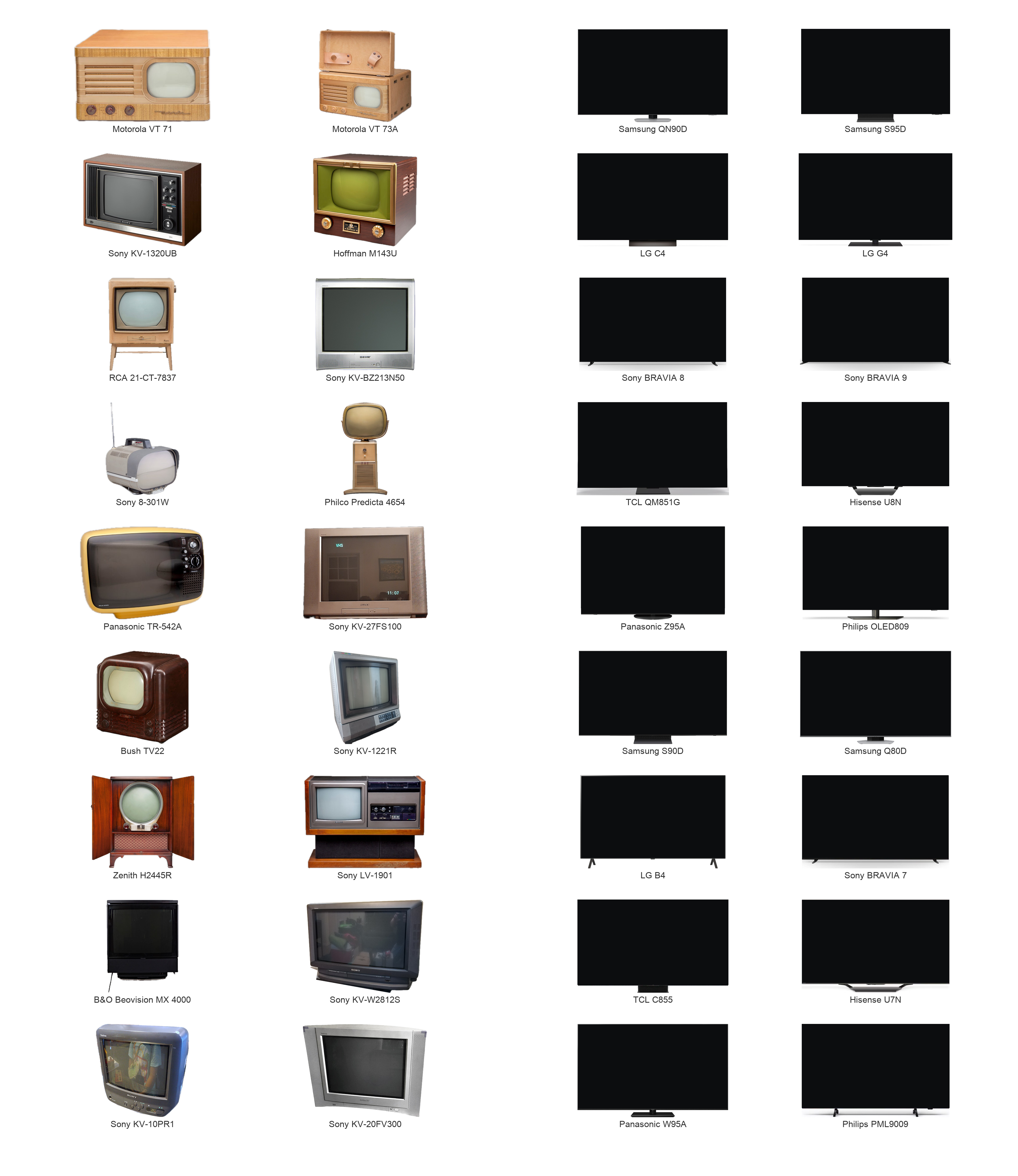
Once a product's purpose becomes clear, design can get out of the way. A TV is for watching a picture, so the ideal TV is mostly picture. Same for smartphones, cash registers, etc.
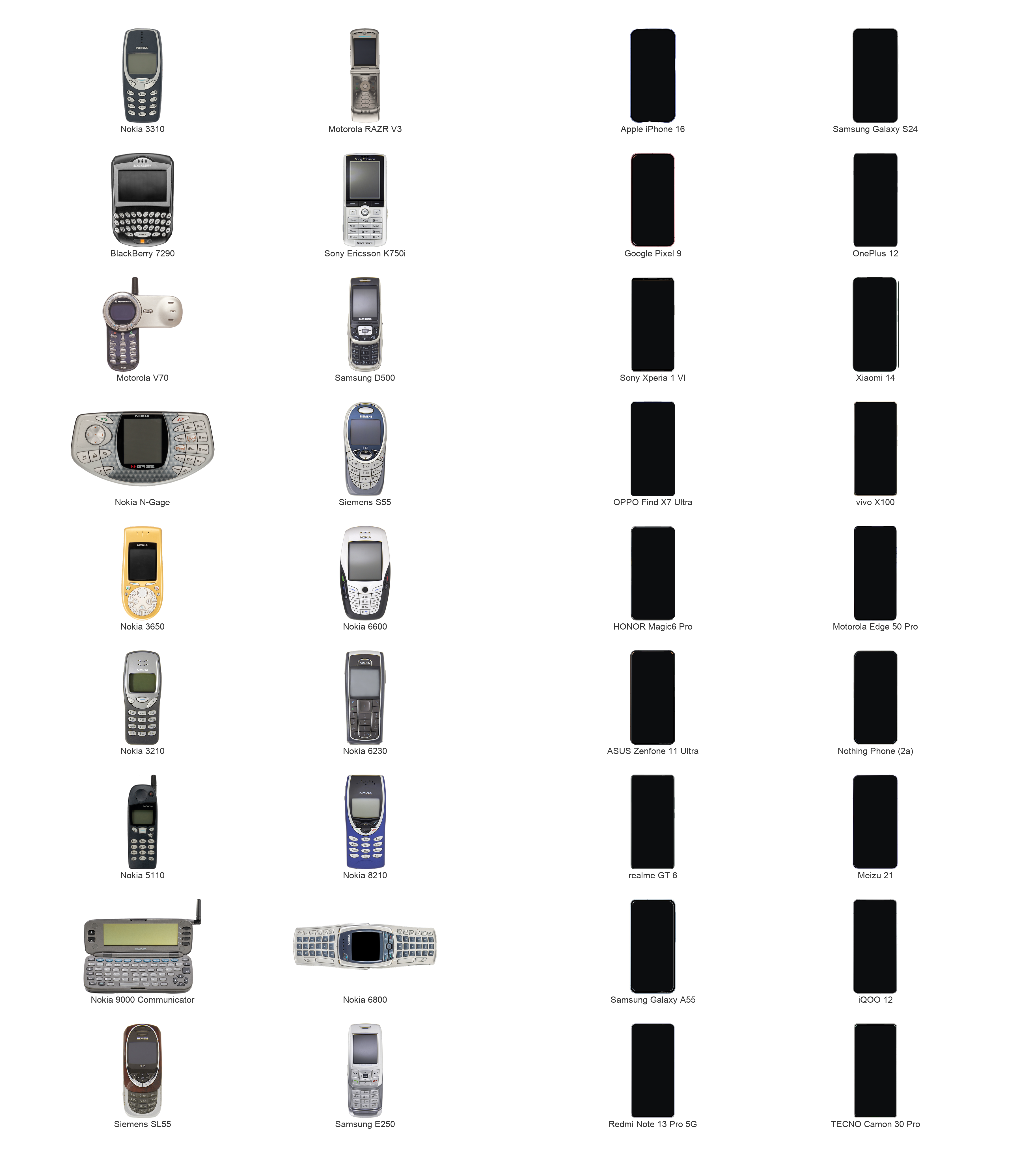
The more mature a technology, the more it competes on price and specs. Standing out is risky and expensive so less companies do it. The ones that do tend to be smaller so they have less resources and reach, making it hard to go beyond niche markets.
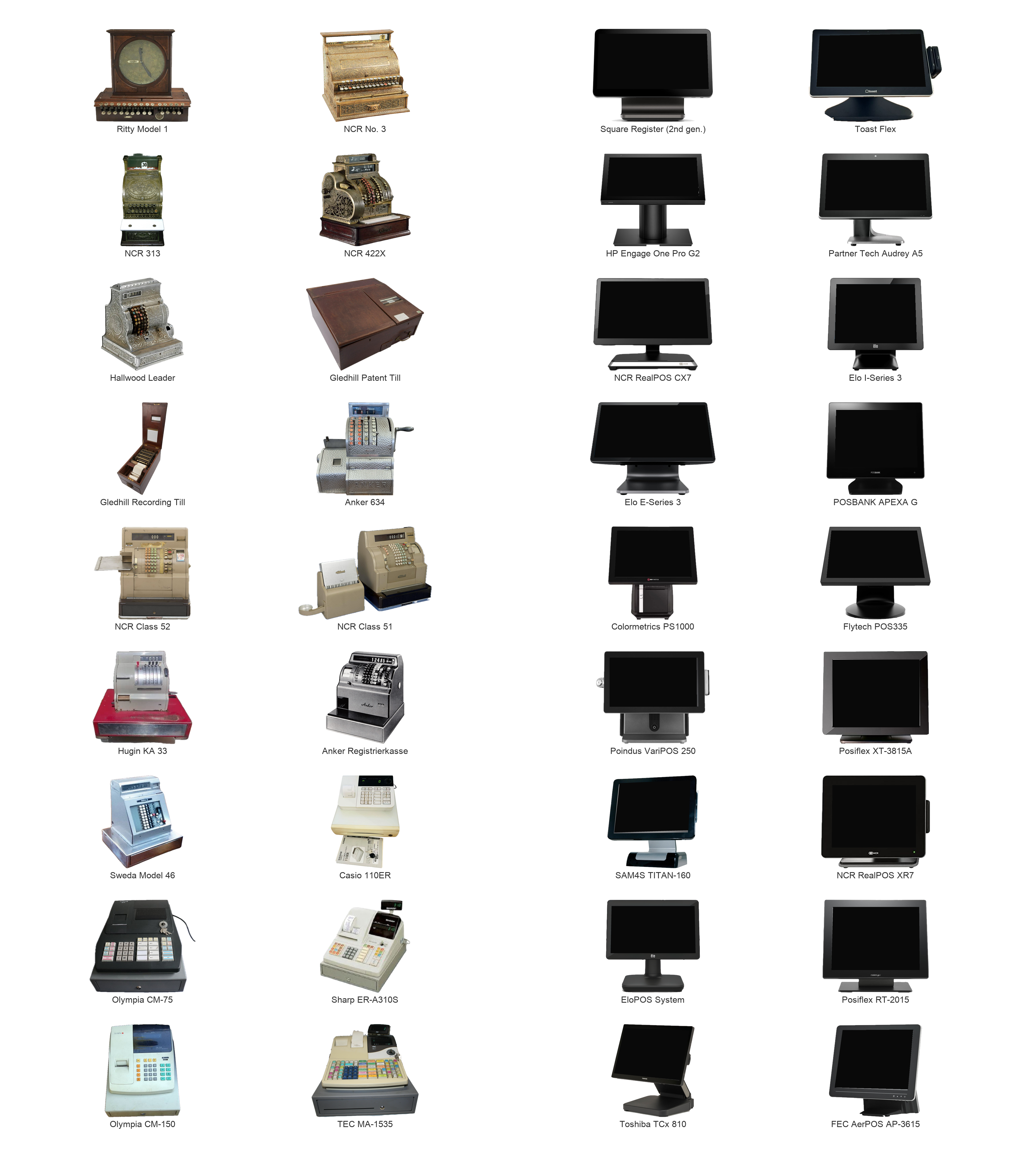
Nature does it too. Crustaceans keep independently evolving into crab-like shapes: a pattern we call carcinisation. Someone suggested the consumer product version should be called "crabitalism".
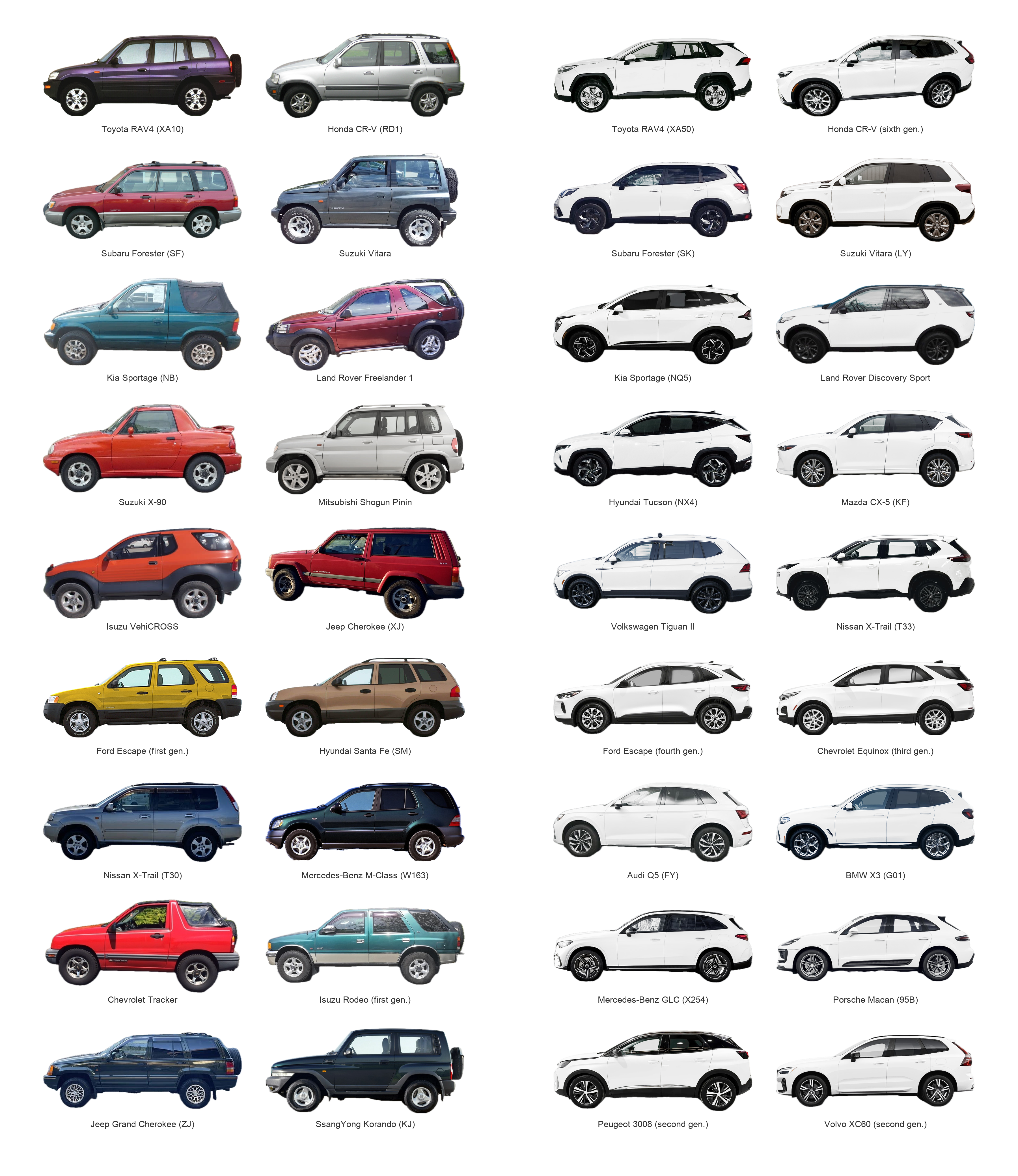
Aerodynamics, thermals, and materials push cars and planes toward the same shapes. Constraints do the same. Planes are designed around airports, and cars around safety standards. Change the job (an F1 car, a fighter jet) and the design changes with it.

Software is even more susceptible. Every app is already being chat-ified (video below) even though we're only a few years out from ChatGPT's release. Hardware convergence often took decades.
On that note, AI hardware is currently a bunch of experiments: pins, glasses, earbuds, and even pendants. We'll see which of them (if any) make it into the right-hand column, but for now it's a design playground.